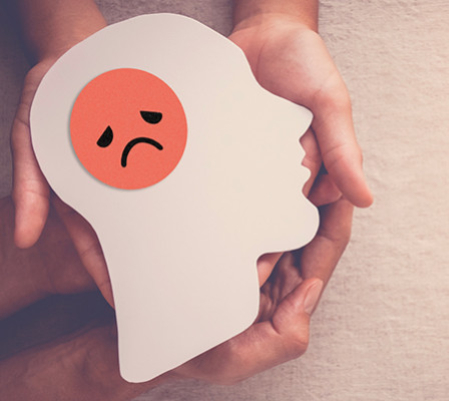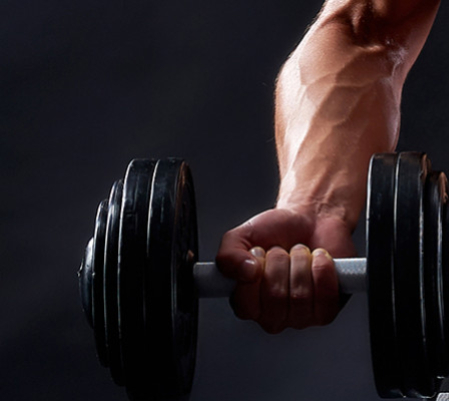



You exercise… but it’s making you more tired than anything else (here’s why)
Why does exercise make some people feel exhausted?
Exercise is supposed to improve your energy, your health, and your recovery. Yet in many cases, it has the opposite effect. This fatigue appears when the balance between effort and recovery is no longer respected.
You work out to feel better… but your energy is dropping
You've integrated exercise into your daily routine with a clear goal: improve your fitness and boost your energy. You train regularly and feel like you're doing everything right.
And yet, your experience tells a different story. You feel tired after your workouts, your recovery is slower, and your overall energy levels are declining.
At IZY.LIFE, this situation is often linked to an imbalance between effort, recovery, and overall daily load.
Why this fatigue happens despite your efforts
Exercise acts as a stress on the body. Each session mobilizes muscles, the nervous system, and hormonal responses.
- When recovery is adequate, the body adapts and improves.
- But when recovery is insufficient, the body can no longer compensate.
Fatigue gradually sets in.
To better understand this mechanism, you can read our analysis on working out is not enough: what no one tells you about recovery.
Comparison: when exercise boosts your energy… and when it drains it
| Situation | Impact |
|---|---|
| Proper training + sufficient recovery | Stable energy |
| High intensity + poor recovery | Persistent fatigue |
| Exercise + high stress | Exhaustion |
| Balanced effort and recovery | Sustainable progress |
Did you know?
Your body does not distinguish between physical and mental stress. An intense workout, a demanding day, and lack of sleep are all perceived as a single overall load.
The most common mistakes
- Training too often without proper recovery is one of the most common mistakes.
- Neglecting sleep limits your body's ability to recover.
- Ignoring warning signs increases imbalance.
- Accumulating stress prevents effective recovery.
What actually works
Regaining energy requires a global approach.
To track your recovery and better understand your condition, you can use tools like Withings Body Scan or Withings ScanWatch Nova.
After exercise, supporting muscle and joint recovery is essential. Solutions such as GSIL Joint Gel, Arkopharma Chondro-Aid Flash Cream or Arkopharma Chondro-Aid Roll-on can easily be integrated into a post-workout routine.
Internally, supplements such as Arkopharma Collagen for Joints & Muscles, Arkopharma Plant-Based Pro-Collagen or Pharmascience Spirulina can help support recovery and long-term energy.
You can find all these solutions in the IZY.LIFE sport category, designed to support your practice.
A consistent approach: act on multiple levels
An effective strategy relies on a global vision.
The type of exercise you choose also plays a key role. Some activities are better suited depending on your energy levels, as we explain in our guide cardio vs strength training: what's best for your energy.
Key takeaway
Insufficient recovery does not just slow your progress. It can also lead to chronic fatigue, even if your training routine is consistent.
How to improve your energy sustainably
The goal is not to do more, but to do better.
Balancing effort, recovery, and overall load allows you to regain stable energy. This is the approach developed by IZY.LIFE.
Go further
If you want to better understand and structure your routine:
- Working out is not enough: what no one tells you about recovery
- Cardio vs strength training: what's best for your energy
These articles are part of the global approach developed by IZY.LIFE.
FAQ - Fatigue after exercise
Why am I tired after working out even though I train regularly?
Even with regular training, fatigue can occur when recovery is insufficient. The body accumulates stress and can no longer compensate, leading to a gradual drop in energy.
Is exercise supposed to give energy or cause fatigue?
Exercise improves energy in the long term, but it creates short-term stress. Without proper recovery, it can lead to fatigue instead of benefits.
Why am I tired the day after a workout?
This is linked to muscle and nervous system recovery. It is normal after intense effort, but if it becomes constant, it may indicate imbalance.
How long does recovery take after exercise?
Recovery usually takes between 24 and 72 hours depending on intensity, stress levels, and sleep quality.
How do I know if I'm overtraining?
Persistent fatigue, sleep issues, low motivation, or performance stagnation are common warning signs.
Does stress affect recovery?
Yes. The body does not differentiate between physical and mental stress. High stress levels slow down recovery.
Is sleep essential for recovery?
Yes. Sleep is a key pillar of recovery. It is when the body repairs tissues and regulates hormones.
Can supplements help recovery?
Some supplements can support muscle and joint recovery and help maintain energy levels, but they should complement a healthy lifestyle.
Should I stop exercising if I feel tired?
Not necessarily. In most cases, it is better to adapt your training by reducing intensity or increasing recovery time.
Why do some people recover faster than others?
Recovery depends on many factors such as age, fitness level, sleep, stress, and nutrition. Each body responds differently.
Sources
- World Health Organization - Physical activity
- INSEP - Sports recovery
- National Institutes of Health - Exercise and recovery
- Journal of Sports Sciences - fatigue and recovery
Explore IZY.LIFE solutions to improve your recovery and regain stable energy by discovering the IZY.LIFE sport category.