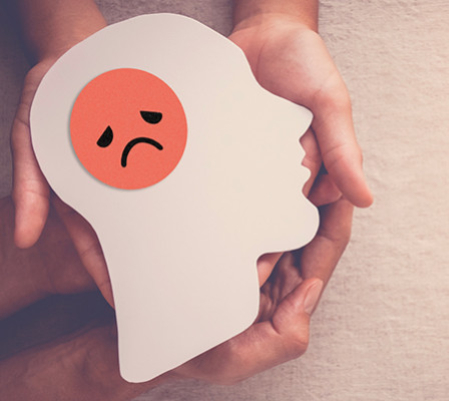



Chronic fatigue: why it lasts (and how to recover)
Feeling tired after an intense period or a poor night of sleep is normal. But when chronic fatigue persists for weeks or months despite rest, it becomes important to understand the underlying causes.
Many active individuals experience persistent fatigue without an obvious reason. They sleep, rest, and try to recover, yet their energy remains low. This can impact concentration, performance, and overall quality of life.
At IZY.LIFE, recovery is approached through five essential pillars: sleep, nutrition, physical activity, medical insight, and physiological balance. Understanding chronic fatigue helps address the root causes and restore sustainable energy levels.
What is chronic fatigue?
Chronic fatigue refers to persistent tiredness that does not fully resolve with rest.
Common signs include:
- fatigue upon waking
- reduced energy levels
- difficulty concentrating
- slower recovery after physical effort
- decreased motivation
Chronic fatigue often reflects incomplete recovery at the nervous system and cellular level.
Sleep is the foundation of recovery
Sleep is when the body performs essential recovery functions:
- muscle repair
- hormonal regulation
- nervous system recovery
- cognitive restoration
- physiological balance
Sleep quality is more important than duration alone.
Poor sleep quality can lead to persistent fatigue even after sufficient sleep time.
Deep sleep is especially critical for full recovery.
You can explore this pillar in the Sleep category.
Wearables help analyze real sleep quality
Wearables such as smartwatches and sleep trackers provide useful insights into sleep quality.
They monitor key parameters including:
- total sleep duration
- deep sleep duration
- light and REM sleep phases
- heart rate
- micro-awakenings
- heart rate variability
These insights help identify whether sleep is truly restorative.
It is common to discover that chronic fatigue is linked to insufficient deep sleep.
Tracking also helps identify patterns related to:
- stress
- physical activity
- sleep timing
- daily habits
At IZY.LIFE, wearables are considered valuable tools to better understand and optimize recovery.
Chronic stress affects recovery
Long-term stress keeps the nervous system in an activated state.
This can affect:
- sleep onset
- sleep quality
- nervous system recovery
- energy regulation
This contributes to persistent fatigue.
Physical recovery is essential
Recovery allows the body to regenerate after effort.
This includes:
- muscle repair
- energy restoration
- nervous system recovery
Insufficient recovery leads to fatigue accumulation.
Nutrition supports energy production
Energy production depends on proper nutritional intake.
Key nutrients include:
- magnesium
- B vitamins
- amino acids
- omega-3 fatty acids
Balanced nutrition supports physiological energy processes.
Supplements can support recovery
Some supplements help support natural recovery mechanisms.
They may support:
- nervous system relaxation
- sleep quality
- muscle recovery
- energy metabolism
Common nutrients involved include magnesium, B vitamins, amino acids, and plant extracts traditionally used for relaxation.
At IZY.LIFE, solutions are selected to support natural physiological recovery.
You can explore solutions in the Sleep category.
Why chronic fatigue persists
Chronic fatigue often results from multiple factors:
- poor sleep quality
- prolonged stress
- insufficient recovery
- nutritional imbalance
- physical or mental overload
These factors disrupt recovery mechanisms.
How to recover from chronic fatigue
A global approach is essential.
Improve sleep quality:
- consistent sleep schedule
- reduced screen exposure
- optimized sleep environment
Reduce stress:
- recovery breaks
- breathing exercises
- nervous system relaxation
Support recovery:
- adequate rest
- hydration
- balanced lifestyle
At IZY.LIFE, recovery is based on five pillars:
When to consult a professional
If chronic fatigue persists despite lifestyle improvements, consulting a healthcare professional may help identify potential causes.
Summary
Chronic fatigue is often linked to incomplete recovery.
Tracking sleep with wearables and supporting recovery through sleep, nutrition, and lifestyle adjustments helps restore energy.
Understanding recovery mechanisms is key to improving long-term energy levels.
FAQ – SEO
Why do I have chronic fatigue despite sleeping enough?
Chronic fatigue can be caused by poor sleep quality, especially insufficient deep sleep.
Can wearables help detect chronic fatigue causes?
Yes, wearables provide sleep data that help identify recovery issues.
Can supplements help chronic fatigue?
Some supplements support natural recovery and physiological balance.
Why am I always tired?
Persistent fatigue may result from poor sleep quality, stress, or insufficient recovery.
Sources
National Institutes of Health – Sleep and recovery – 2023
Harvard Medical School – Sleep and energy regulation – 2022
European Sleep Research Society – Sleep physiology – 2021