


How to Manage Stress on a Daily Basis: Simple Methods to Regain Calm
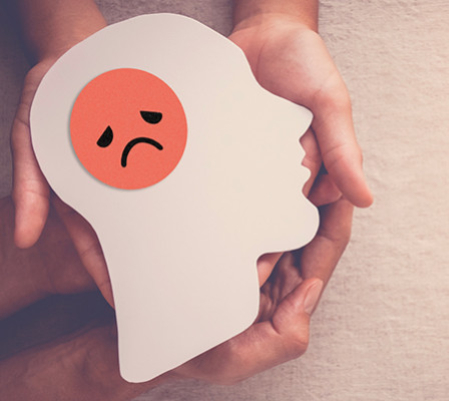
Stress is now part of everyday life for many people. Work pressure, mental load, constant stimulation, lack of rest… The result is often tension, fatigue, sleep problems, irritability, or difficulty concentrating.
However, stress is not inevitable. By understanding how it works and activating the right levers, it is possible to manage it better and regain a calmer, more balanced state.
Why Are We So Stressed Today?
Stress is originally a survival mechanism. It allows the body to react to danger. The issue is that our bodies are not designed to remain in a constant state of alert.
The main sources of stress today include:
- mental overload and professional pressure
- fast-paced lifestyles with little downtime
- screens and constant connectivity
- insufficient or poor-quality sleep
- noise and non-soothing environments
Over time, this chronic stress exhausts the nervous system and disrupts the body’s balance.
Stress: A Nervous System Imbalance
Managing stress does not mean eliminating all sources of tension, but rather helping the body return to a state of calm more easily.
Two systems coexist:
- the sympathetic nervous system (alert, action)
- the parasympathetic nervous system (rest, recovery)
When the first dominates for too long, the body struggles to relax naturally.
How to Effectively Manage Stress Every Day
1. Supporting the Body in Times of Stress
Certain adaptogenic plants are known to help the body adapt better to stressful situations.
Nutrivie Organic Ashwagandha 6000 mg, available on IZY.LIFE, is appreciated for its action on nervous system balance. It helps the body cope with stress and promotes a feeling of calm, especially at the end of the day.
2. Replenishing Stress-Related Deficiencies
Chronic stress increases the body’s need for certain essential minerals, particularly magnesium.
Nutrivie Magnesium Bisglycinate 1500 mg is a highly bioavailable form, commonly used to support muscle relaxation, normal nervous system function, and fatigue reduction.
3. Directly Calming the Nervous System
When stress is intense or constant, acting more directly on the nervous system can be helpful.
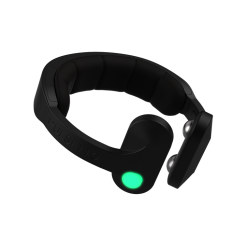
Gentle stimulation technologies such as Pulsetto Fit aim to activate the parasympathetic nervous system, which is responsible for relaxation and release. This approach may be particularly useful for people who struggle to switch off.
4. Reducing Hidden Sources of Stress
Noise, especially at night, can maintain a background level of stress without us realizing it.
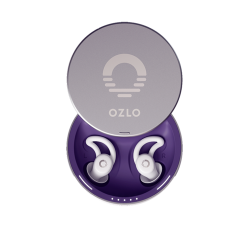
Ozlo Sleepbuds, available on IZY.LIFE, help reduce sound disturbances and create a calmer environment, promoting relaxation and better-quality sleep.
Daily Anti-Stress Habits to Adopt
- deliberately slowing down in the evening
- breathing slowly for a few minutes
- getting natural light exposure in the morning
- limiting screens at night
- establishing reassuring routines
It is often small, repeated habits that make the biggest difference.
Common Mistakes When Dealing with Stress
- trying to control everything
- ignoring signs of fatigue
- compensating with coffee or stimulants
- assuming it will “go away on its own”
Unmanaged stress almost always finds another way to express itself.
When Should You Seek Help?
If stress becomes overwhelming and is accompanied by anxiety, persistent sleep problems, or emotional exhaustion, a healthcare professional can help identify the cause and offer appropriate support.
Final Thoughts
Managing stress is not about aiming for a life without constraints, but about giving the body the tools it needs to cope better.
On IZY.LIFE, you’ll find a selection of solutions designed to support nervous system balance, promote relaxation, and complement a holistic approach to stress, alongside simple and accessible habits.
FAQ
How can I manage stress naturally?
By combining healthier lifestyle habits, calming routines, and solutions that support the nervous system.
Why is stress so exhausting?
Because it keeps the body in a constant state of alert, which drains energy and disrupts sleep.
Can stress prevent good sleep?
Yes. An over-stimulated nervous system makes falling asleep and recovering more difficult.