

What Is the Vagus Nerve? Benefits for Stress, Sleep and Nervous System Balance
The vagus nerve is one of the most important nerves in the human body and plays a central role in regulating many vital functions.
It is the longest cranial nerve, extending from the brainstem down through the neck and connecting to major organs including the heart, lungs and digestive system.
The name "vagus" comes from the Latin word meaning "wandering", because this nerve travels through multiple areas of the body and influences many physiological processes.
The vagus nerve is essential for maintaining balance within the body. It helps regulate heart rate, digestion, breathing, inflammation and the body's ability to recover from stress.
Because of its central role in relaxation and recovery, the vagus nerve is often described as the body's natural reset system.
The role of the vagus nerve in the nervous system
The vagus nerve is a key component of the autonomic nervous system, the system responsible for regulating functions that happen automatically in the body.
This system has two main branches:
Sympathetic nervous system
Often referred to as the "fight or flight" system, the sympathetic nervous system prepares the body for action. It increases heart rate, releases stress hormones and mobilizes energy in response to perceived threats.
Parasympathetic nervous system
The parasympathetic nervous system does the opposite. It promotes relaxation, recovery and energy conservation. It slows the heart rate, supports digestion and helps the body return to a balanced state after stress.
The vagus nerve is the main pathway activating this parasympathetic response, allowing the body to switch from stress mode to recovery mode.
How the vagus nerve regulates stress
In modern lifestyles, the body is often exposed to continuous stimulation. Work pressure, digital overload, lack of sleep and constant notifications can keep the nervous system in a prolonged state of activation.
When the vagus nerve is not sufficiently activated, the body may struggle to return to a calm and balanced state after stress. This condition is often described as low vagal tone.
Low vagal tone has been associated with several health challenges, including:
- chronic stress
- sleep disturbances
- anxiety symptoms
- digestive issues
- fatigue and reduced recovery capacity
Improving vagal tone helps the body regulate stress more effectively and recover more quickly after demanding situations.
Vagus nerve and sleep regulation
Sleep is closely connected to the activity of the vagus nerve. Before falling asleep, the body needs to transition from a state of alertness to a state of relaxation. The vagus nerve plays a key role in this transition.
When vagal activity increases, the body begins to:
- slow down heart rate
- reduce stress hormone levels
- activate the parasympathetic nervous system
- prepare the body for deeper sleep cycles
When this process works properly, it supports more restorative and higher quality sleep.
For this reason, many sleep researchers and wellness technologies are now exploring methods that help stimulate the vagus nerve before bedtime.
Natural ways to stimulate the vagus nerve
There are several natural techniques that can help activate the vagus nerve and support nervous system balance.
Deep breathing
Slow diaphragmatic breathing is one of the most effective ways to activate the parasympathetic nervous system. Breathing slowly and deeply helps stimulate the vagus nerve and reduce physiological stress.
Meditation and mindfulness
Meditation practices encourage relaxation and help regulate the nervous system. Regular mindfulness practices may contribute to improved vagal tone over time.
Cold exposure
Cold showers or cold water immersion may trigger activation of the vagus nerve and improve stress resilience.
Singing or humming
These activities stimulate muscles connected to the vagus nerve in the throat. This is one reason why activities such as chanting, humming or singing may promote relaxation.
Although these techniques can be helpful, they usually require regular practice and consistency to produce noticeable effects.
Technology and vagus nerve stimulation
In recent years, new health technologies have been developed to stimulate the vagus nerve more directly. This approach is known as vagus nerve stimulation (VNS).
Originally developed for clinical applications such as epilepsy or depression treatment, vagus nerve stimulation has now evolved into non-invasive wearable technologies designed for everyday wellness.
These devices typically use gentle electrical signals that activate the vagus nerve through the skin.
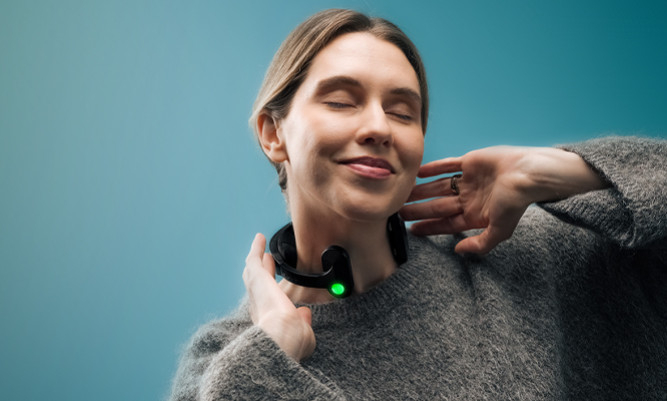
One example is the wearable device available here
The device is designed to stimulate the vagus nerve through targeted electrical signals applied to the neck area. Short sessions can be integrated into a daily routine to support relaxation, nervous system balance and sleep preparation.
Why vagus nerve stimulation technologies are gaining popularity
Interest in vagus nerve stimulation has increased significantly in recent years. Many people are now looking for solutions that address the root causes of stress rather than only managing symptoms.
Technologies designed to regulate the nervous system are part of a broader movement toward preventive health and bio-regulation technologies.
Among these innovations, devices such as Pulsetto have gained attention for their ability to help stimulate the vagus nerve through non-invasive stimulation sessions.
By supporting the parasympathetic nervous system, these technologies aim to help the body recover from stress and improve relaxation before sleep.
The future of nervous system regulation
As preventive health technologies continue to evolve, nervous system regulation is becoming an important area of focus. Instead of addressing symptoms after they appear, many innovations now aim to optimize the body's regulatory systems before problems arise.
The vagus nerve plays a central role in this emerging field. Technologies designed to stimulate the vagus nerve may help support:
- stress resilience
- sleep quality
- emotional regulation
- recovery from mental and physical fatigue
As research advances, vagus nerve stimulation may become an increasingly important component of modern wellness strategies.
FAQ – Vagus Nerve
What does the vagus nerve do?
The vagus nerve regulates many essential functions in the body, including heart rate, digestion, breathing and the body's stress response. It plays a central role in activating the parasympathetic nervous system.
What are the symptoms of low vagal tone?
Low vagal tone can be associated with chronic stress, fatigue, poor sleep, digestive discomfort and difficulty managing emotional stress.
Can you stimulate the vagus nerve naturally?
Yes. Natural techniques such as deep breathing, meditation, cold exposure and relaxation practices may help stimulate the vagus nerve.
What is vagus nerve stimulation?
Vagus nerve stimulation is a technique that activates the vagus nerve using electrical signals. Modern wearable devices can stimulate the nerve non-invasively through the skin.
Can vagus nerve stimulation improve sleep?
Stimulating the vagus nerve may help activate the parasympathetic nervous system and prepare the body for sleep, which can contribute to improved sleep quality.
Is vagus nerve stimulation safe?
Most consumer wellness devices are designed to be safe when used according to instructions. People with medical implants or certain conditions should consult a healthcare professional before using vagus nerve stimulation technologies.