


How to Sleep Better: A Simple Guide to Fall Asleep Faster and Recover Better
Poor sleep is not inevitable. Difficulty falling asleep, waking up during the night, light or non-restorative sleep now affect a large number of adults. Yet sleep is one of the most powerful levers to improve health, energy, and longevity.
The good news is that it’s possible to take action without turning everything upside down, by understanding how sleep works and which levers really matter.
Why Do We Struggle to Sleep Today?
Sleep depends on a delicate balance between the body and the brain. Several factors can disrupt it:
- stress and mental load
- screen exposure in the evening
- an irregular lifestyle
- an over-stimulated nervous system
- nighttime noise or snoring
When these factors accumulate, the body remains on high alert. As a result, the brain struggles to let go, even when you feel tired.
Sleep Is a System to Regulate (Not an ON/OFF Switch)
Sleeping is not just about going to bed earlier. Sleep relies on three essential pillars:
- the nervous system (ability to shift from stress mode to rest mode)
- the biological clock (sleep–wake rhythm)
- the environment (noise, light, temperature)
Working on just one pillar can help, but the best results come from a global approach.
A Simple Evening Routine to Fall Asleep More Easily
1. Helping the Body Relax Naturally
Stress is sleep’s number one enemy. Certain adaptogenic plants can support nervous system balance.
Nutrivie Organic Ashwagandha 6000 mg, available on IZY.LIFE, is known for helping the body manage stress and promote relaxation before bedtime. When included in an evening routine, it supports the transition into rest.
2. Deeply Calming the Nervous System
When the mind never slows down, it can be helpful to act directly on the parasympathetic nervous system, which is responsible for relaxation.
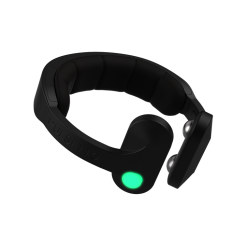
Gentle stimulation technologies such as Pulsetto Fit aim to calm nervous activity and make it easier to fall asleep, especially for people experiencing tension or nighttime anxiety.
3. Reducing Nighttime Disruptions
Even after falling asleep, rest can be fragmented by surrounding noise or a partner’s snoring.
Ozlo Sleepbuds, available on IZY.LIFE, help reduce these sound disturbances and preserve sleep continuity, which is essential for effective recovery.
4. Understanding Your Sleep Better
You can only improve what you understand. Tracking sleep cycles, duration, and recovery phases makes it easier to adjust habits.
The Hume Health Band helps visualize sleep data and identify what truly works for you.
What to Do When You Wake Up at Night?
Waking up during the night is normal. The issue is not being able to fall back asleep.
Helpful habits include:
- avoiding checking the time
- staying in the dark
- breathing slowly and deeply
- not reaching for your phone
Frequent awakenings are often linked to stress or mental overload at the end of the day.
Common Mistakes That Sabotage Sleep
- intense exercise late in the evening
- consuming coffee, tea, or alcohol late in the day
- scrolling in bed
- trying to “force” sleep
Good sleep starts long before bedtime.
When Should You Seek Help?
If sleep problems last more than three weeks and are associated with persistent fatigue, irritability, or reduced concentration, a healthcare professional can help identify the cause.
Final Thoughts
Sleeping well is not a matter of luck. It results from a balance between relaxation, environment, and understanding how your body works.
On IZY.LIFE, you’ll find a selection of solutions designed to support sleep and recovery, alongside simple and accessible habits.
FAQ
How can I fall asleep faster naturally?
By reducing stress, limiting screens in the evening, and establishing a regular routine.
Why do I wake up at night for no reason?
Nighttime awakenings are often linked to stress, noise, or light sleep.
How many hours of sleep do we really need?
Most adults need 7 to 9 hours, but quality matters as much as duration.